

Finland has become an important hub for data centers in Europe due to its reliable infrastructure and access to renewable energy. The country offers a stable and secure environment for companies looking to store and manage large amounts of data.
Many global technology firms have established data centers in Finland to take advantage of its favorable climate, which helps reduce cooling costs.
When it comes to Data centers Finland, the industry is known for advanced services such as cloud computing, colocation, and high-performance computing. This article highlights the top data centers in Finland in detail.
An Overview of the Finland Data Center Industry
Finland has become one of Europe’s leading locations for data centers due to its strong infrastructure, stable business environment, and access to clean energy. These factors make it an attractive choice for both global technology companies and regional providers.
A major advantage of the country is its cold climate, which helps reduce cooling costs and improves energy efficiency. Many data centers in Finland also rely on renewable energy sources such as wind, hydro, and biomass, supporting more sustainable operations. The industry includes a mix of hyperscale cloud providers, colocation facilities, and high-performance computing centers. Together, they support services like cloud computing, data storage, and AI-driven workloads, while benefiting from Finland’s strong connectivity across Europe.
Top Data Centers in Finland:
There are several data centers Finland that keep data safe and running smoothly. They provide reliable services for businesses and research. Here is a look at some of the top data centers in the country:
Google – Hamina Campus
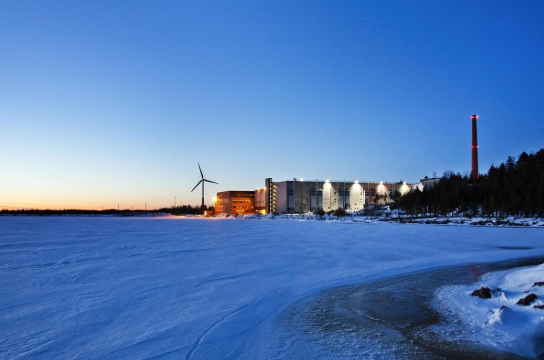
Google’s Hamina data center is one of the largest and most advanced facilities in Finland. It is located in southeastern Finland and is designed to run efficiently using mostly renewable energy.
The center supports Google’s global services, including search, cloud, and AI applications. Its unique design uses seawater from the nearby Gulf of Finland for cooling, which reduces energy consumption.
The facility is also built with high security and reliability in mind, ensuring that data is always protected. Google continues to invest in this campus to expand its capacity and support sustainable operations in the region.
Key Features of Google – Hamina Campus
- Uses renewable energy for nearly all operations
- Innovative seawater cooling system to save energy
- Supports cloud services, AI, and global applications
- High security and data protection measures
- Large-scale and expandable facility to meet growing demand
Microsoft – Multiple Sites:
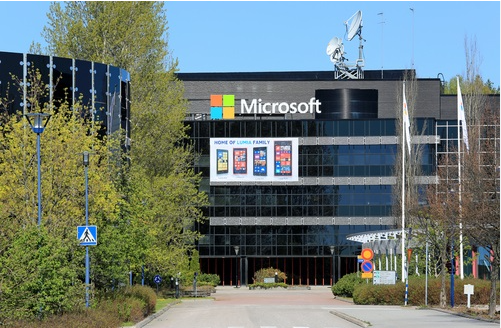
Microsoft is building a new data center region in Finland, with facilities in Espoo, Kirkkonummi, and Vihti. These centers will support Microsoft Azure’s public cloud computing, storage, and enterprise solutions for businesses and organizations across Europe.
As part of this build-out, Microsoft acquired approximately 21.6 hectares of land in Espoo for €30.9 million to develop one of its data center campuses
They are designed to be energy efficient, using renewable energy sources and advanced cooling systems to reduce environmental impact.
The facilities also support local infrastructure by supplying waste heat to nearby district heating networks — Microsoft’s data center heat is expected to cover a significant share of district heating needs for the city of Espoo and neighboring areas. Microsoft’s data centers are built with strong security measures and reliable systems to ensure uninterrupted service.
The company continues to expand its presence in Finland to meet growing demand for cloud and AI services.
Key Features of Microsoft – Multiple Sites
- Facilities across Espoo, Kirkkonummi, and Vihti as part of a new Azure region.
- Energy-efficient operations with renewable energy sources
- Advanced cooling systems to reduce energy consumption
- Supports cloud, storage, and enterprise solutions
- Strong security and high reliability for data protection
- Waste heat is reused in local district heating systems
atNorth Finland – Kouvola & Espoo
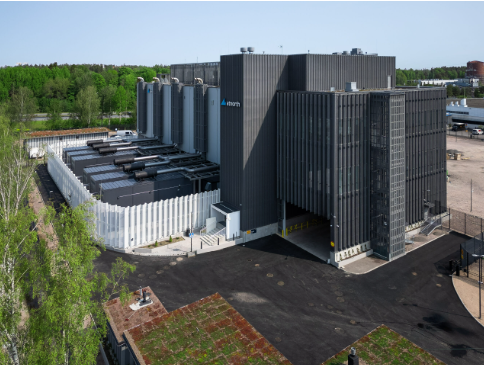
atNorth mainly operates data centers in Helsinki (Vallila), Espoo, and Kouvola. These centers provide reliable colocation, cloud, connectivity, and data center services for businesses and organizations across the Nordics and Europe.
The facilities are designed to be energy efficient, using advanced cooling systems and renewable energy sources.
atNorth focuses on secure and scalable infrastructure to meet the growing demand for data storage and processing.
The company’s Kouvola campus (FIN04) has been scaled up to a planned capacity of 430MW, making it one of the largest data center developments in the Nordics, and reinforcing atNorth’s position as a key player in Finland’s data center market.
Key Features of atNorth – Kouvola & Espoo
- Multiple facilities in Kouvola and Espoo for broader coverage
- Colocation and cloud services for businesses and organizations
- Energy-efficient design with renewable energy usage
- Advanced cooling systems to reduce energy consumption
- Secure and scalable infrastructure for growing demand
- Expansion plans for high-performance computing and sustainability
Equinix – Data Center Helsinki & Espoo
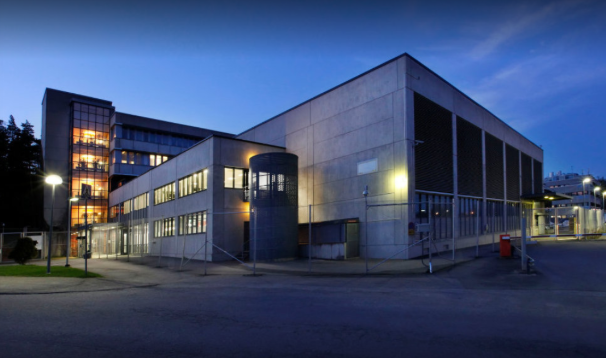
Equinix operates seven interconnected data centers across Helsinki, Espoo, and Vantaa, serving as key digital hubs in Finland. These sites enable businesses to link directly with partners, customers, and major cloud providers through Equinix’s global platform.
Equinix’s Helsinki-area campuses together span approximately 57,000 square feet of colocation space, built to handle high volumes of data traffic while maintaining consistent performance and security.
Equinix has a strong focus on energy efficiency, sourcing power from renewable energy, and using systems that minimize environmental impact.
With advanced connectivity options and room for growth, these data centers support companies in sectors ranging from finance to technology and media.
Key Features of Equinix – Helsinki & Espoo
- Direct access to global cloud and network providers
- Multiple interconnected facilities for seamless data exchange
- Strong focus on security and uptime
- Operates on 100% renewable energy
- Designed for scalability to meet future capacity needs
- Supports industries including finance, technology, and media
Hetzner – Tuusula
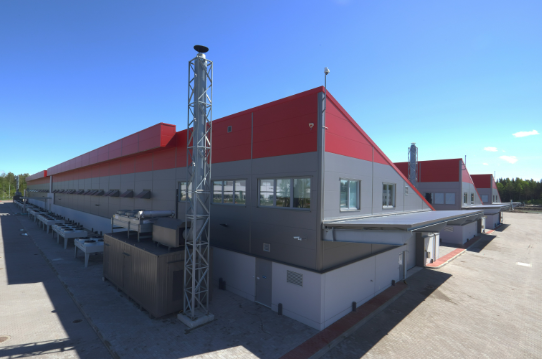
Hetzner, a German hosting company, operates a large data center park in Tuusula, Finland. This facility delivers high-performance hosting services, dedicated servers, and cloud solutions to customers across Europe and beyond.
Its location provides strong connectivity to major European network hubs, making it ideal for businesses that require fast and reliable data transfer.
The Tuusula site is designed with energy efficiency in mind, using advanced cooling systems and renewable energy sources to reduce its environmental footprint. Hetzner’s infrastructure supports a wide range of workloads, from web hosting to complex enterprise applications, while maintaining strong security and uptime.
Key Features of Hetzner – Tuusula
- High-performance hosting and dedicated server solutions
- Strong connectivity to major European networks
- Energy-efficient operations powered by renewable energy
- Advanced cooling systems to reduce energy usage
- Suitable for web hosting, cloud services, and enterprise workloads
- Secure infrastructure with consistent uptime
Digita – Multiple Locations
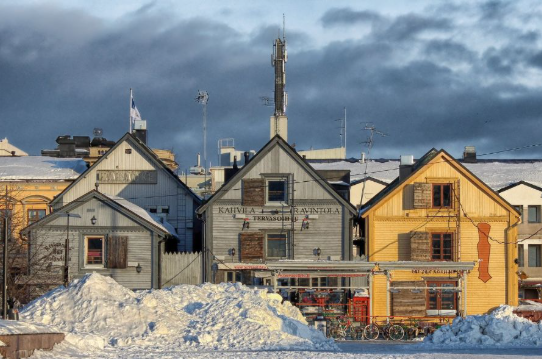
Digita runs several data centers across Finland, offering services that combine secure hosting with strong national and international network connections.
Alongside colocation, Digita provides network management, security services, and hybrid cloud solutions tailored to different business needs.
The company also supports critical broadcasting and communication infrastructure in Finland, making its role broader than just data storage.
By integrating reliable operations with diverse connectivity, Digita ensures that clients can keep their systems running efficiently and with minimal downtime.
Key Features of Digita – Multiple Locations
- Multiple facilities connected to several telecom operators
- Colocation, hybrid cloud, and network services
- Strong domestic and international data connections
- Plays a key role in broadcasting and communication infrastructure
- Tailored solutions for different industries and business sizes
- Focus on operational reliability and minimal downtime
CSC – IT Center for Science (Kajaani)
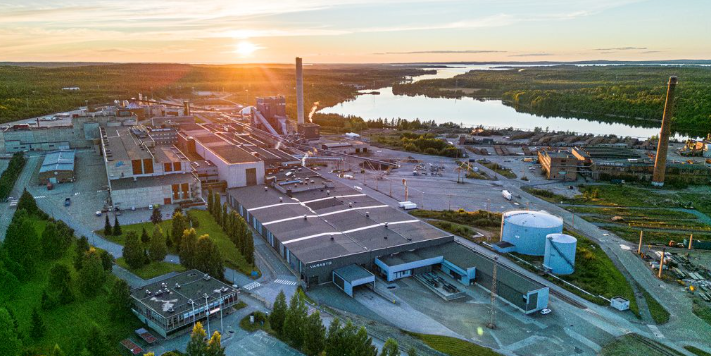
CSC (IT Center for Science) is a high density data center in Finland that operates one of Finland’s most important research and computing facilities in Kajaani. It is home to LUMI, one of the fastest supercomputers in the world, which serves scientists and researchers across Europe.
The center provides high-performance computing, data storage, and cloud services to support projects in areas such as climate research, artificial intelligence, and life sciences.
Located in a former paper mill, the facility makes use of Finland’s naturally cool climate and supplies excess heat to the local district heating network. CSC combines advanced technology with sustainability to advance innovation and research.
Key Features of CSC – IT Center for Science (Kajaani)
- Hosts LUMI, one of the most powerful supercomputers globally
- Supports research in AI, climate science, and other fields
- High-performance computing and large-scale data storage
- Uses Finland’s cool climate to reduce energy use
- Recycles waste heat to the local community
- Provides cloud services for scientific and academic projects
Finland’s Data Center List Recap
| Data Center/Operator | Location(s) | Type of Services |
| Hamina | Hyperscale cloud, AI, global services support | |
| Microsoft (Azure) | Helsinki, Vantaa | Public cloud computing, enterprise cloud services |
| atNorth | Kouvola, Espoo | Colocation, cloud, HPC-focused services |
| Equinix | Helsinki, Espoo | Interconnection, colocation, cloud connectivity |
| Hetzner | Tuusula | Hosting, dedicated servers, infrastructure cloud |
| Digita | Multiple locations | Telecom infrastructure, colocation, hybrid services |
| CSC (LUMI) | Kajaani | High-performance computing, research supercomputing |
New Data Center Projects in Finland
Several new data center projects in Finland highlight the country’s continued growth as a digital infrastructure hub. TikTok has announced an additional €1 billion investment in its Finland data center infrastructure.
Nscale, in partnership with Fortum, is planning a new facility in Harjavalta, while Nebius is set to operate Polarnode’s new 310MW campus in the country.
The market has also seen consolidation interest, with reports that both Digital Realty and Equinix were competing to acquire atNorth. These new data center projects signal continued confidence in Finland as a long-term hub for hyperscale and AI-driven infrastructure.
How to Pick the Right Data Center for Your Needs
Choosing the right data center depends on your business requirements, budget, and the type of workload you need to run. A good data center should match your performance needs while also ensuring security, scalability, and reliable connectivity.
- Type of service needed: Decide whether you need cloud computing, colocation, hosting, or high-performance computing support.
- Performance requirements: Check if the data center can handle your workload, especially for AI, big data, or enterprise applications.
- Location and latency: Choose a location close to your users or key markets for faster data access.
- Security and reliability: Look for strong physical security, backups, and high uptime guarantees.
- Scalability: Ensure the provider can grow with your business as your data needs increase.
- Cost and pricing model: Compare pricing plans to find a balance between performance and affordability.
- Energy efficiency: Prefer facilities that use renewable energy and efficient cooling systems for sustainable operations.
What is the Future of the Finland Data Center Market
The future of the Finland data center market is expected to be shaped by the rapid growth of cloud computing, artificial intelligence, and high-performance workloads. As global demand for data processing continues to rise, Finland is likely to see further investment in both hyperscale and specialized data center facilities.
The country’s focus on renewable energy and energy-efficient cooling methods will also remain a key advantage, helping operators meet stricter environmental standards. In addition, expanding connectivity across Europe and increasing demand for low-latency services will continue to strengthen Finland’s position as a competitive and sustainable data center hub.
Conclusion:
Finland continues to strengthen its position as a trusted location for data center operations. With a focus on sustainability, strong connectivity, and secure infrastructure, the Data centers Finland industry attracts global technology leaders as well as specialized providers.
These facilities not only meet the needs of businesses and research institutions but also contribute to local communities through energy reuse and economic growth.
As demand for reliable data processing and storage grows, Finland’s combination of advanced technology and environmental responsibility ensures it will remain an attractive choice for future investments in digital infrastructure.
Frequently Asked Questions (FAQs):
Finland has dozens of data centers operated by both global companies and local providers. The exact number keeps changing as new facilities are built and expanded.
There is no single “best” provider, as it depends on business needs like cloud, colocation, or HPC. However, companies like Equinix, atNorth, and Hetzner are often considered strong managed service providers in Finland.
Finland offers reliable infrastructure, access to renewable energy, a cool climate that reduces cooling costs, and strong international network connections.
Yes. Many data centers in Finland are powered entirely or mostly by renewable energy sources, such as wind, hydro, and biomass.
Yes. Companies like Google, Microsoft, and Equinix operate large facilities in Finland alongside regional providers.
Yes. Sustainability is a key priority, with many facilities using energy-efficient designs, reusing waste heat, and minimizing environmental impact.
Yes. Most providers offer scalable services that can be tailored to suit both small businesses and large enterprises.
The biggest data center in Europe is currently the Start Campus development in Sines, Portugal, with a planned capacity of 1.2 gigawatts. New mega-projects are under construction across Europe, so this ranking could change in the coming years.
