

Sports injuries can affect any athlete, whether beginner or professional. Preventing these injuries is important for long-term performance and health. With modern technology, athletes and coaches can monitor their bodies, detect risks early, and improve training safely.
Injury prevention tools include wearable devices, motion analysis systems, and smart gear that track movement, fatigue, and recovery. These technologies help reduce the chances of strains, sprains, and other common sports injuries. Using the right tools can keep athletes healthy, improve performance, and allow them to train consistently without unnecessary breaks.
In this article, we will explore the top injury prevention technologies in sports and how they help athletes stay safe and perform better.
Top Injury Prevention Technologies in Sports:
Here are some of the top injury prevention technologies in sports:
1. Wearable Biometric Monitors
Wearable biometric monitors are devices athletes wear on their wrist, chest, or as part of clothing to track health and performance. They monitor heart rate, sleep quality, fatigue levels, and muscle strain. The data helps coaches and athletes adjust training intensity, prevent overtraining, and plan recovery periods effectively.
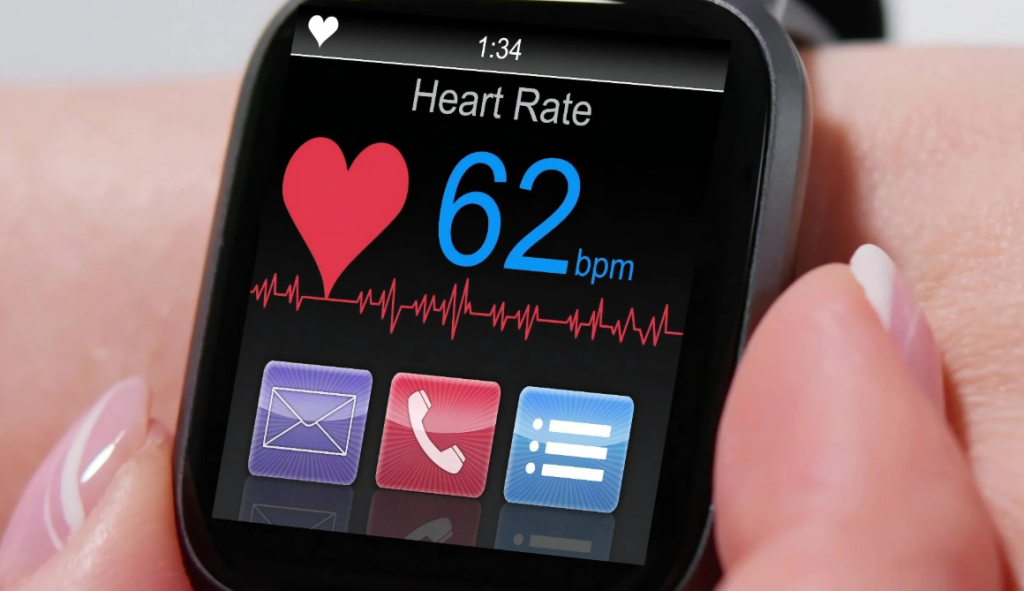
Real-time feedback allows early detection of stress, tiredness, or potential injury risks. By analyzing trends over time, athletes can improve endurance, maintain consistent performance, and reduce both minor and serious injury risks. These monitors are valuable for all sports levels, from beginners to professionals.
Features:
- Tracks heart rate continuously
- Monitors sleep and recovery
- Measures muscle strain and fatigue
- Provides real-time performance feedback
Why is it helpful?
- Prevents overtraining and burnout
- Helps in planning safer training schedules
- Reduces the risk of strains and other injuries
2. Smart Compression Gear
Smart compression gear includes clothing with built-in sensors that track muscle activity, blood flow, and fatigue during physical activity. Athletes can wear compression sleeves, shirts, or shorts while training or competing.
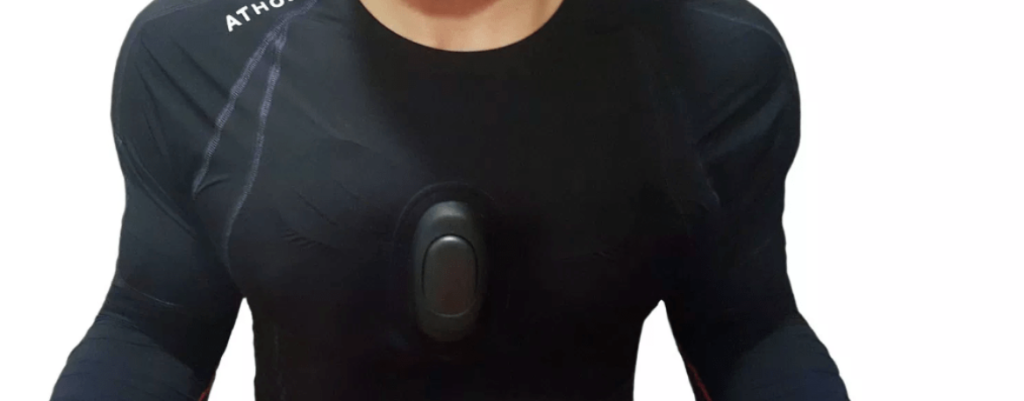
These sensors detect areas under stress and highlight potential overuse before injuries occur. They also help monitor posture and movement efficiency. The gear provides real-time insights that coaches can use to modify training loads, prevent strain, and enhance recovery.
Features:
- Embedded sensors monitor muscles
- Measures pressure and fatigue
- Tracks blood flow and oxygen levels
- Lightweight and wearable during activity
Why is it helpful?
- Prevents muscle strains and tears
- Optimizes recovery and rest
- Supports safer training and performance
3. Biomechanical Analysis Systems
Biomechanical analysis systems use motion capture, force plates, and cameras to study how athletes move. They identify inefficient or unsafe movement patterns that may lead to injuries. The system records posture, balance, and joint stress, helping coaches improve technique.
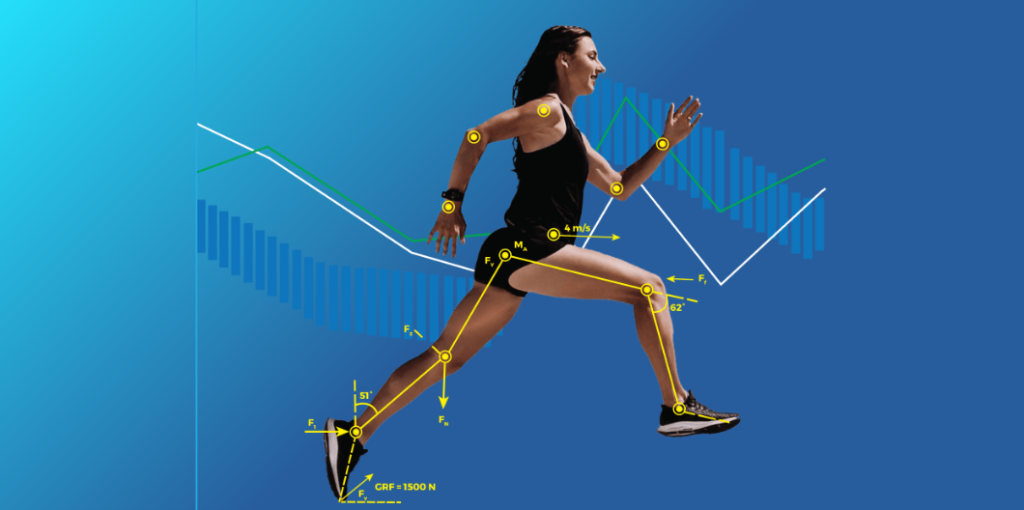
Athletes can adjust movements based on the data, reducing pressure on muscles and joints. This technology is widely used in running, football, gymnastics, and other sports that require precision. Analyzing motion in detail helps prevent both acute and chronic injuries. Personalized feedback allows safer performance improvement and long-term health maintenance.
Features:
- Captures motion in 3D
- Measures force and impact on joints
- Detects movement inefficiencies
- Offers detailed visual reports
Why is it helpful?
- Reduces the risk of joint injuries
- Improves movement efficiency
- Supports personalized training plans
4. GPS Tracking Devices
GPS tracking devices are worn on the body or in vests to monitor an athlete’s location, speed, distance, and movement patterns. They provide detailed data on intensity, acceleration, and workload during training or matches.

Coaches can analyze this information to avoid overexertion and plan proper rest periods. GPS devices are particularly useful in team sports like football, rugby, and hockey. By understanding movement patterns, athletes can adjust training and avoid injuries caused by overuse or sudden strain.
The data also helps improve strategic planning and ensures athletes train safely while maintaining peak performance.
Features:
- Tracks location and movement
- Measures speed and acceleration
- Monitors the distance covered
- Provides real-time performance data
Why is it helpful?
- Prevents overuse injuries
- Helps in managing workload
- Ensures proper recovery between sessions
5. Smart Insoles and Footwear Sensors
Smart insoles and footwear sensors are placed inside shoes to measure pressure distribution, balance, and gait. They track how weight shifts during walking, running, or jumping. This helps athletes detect abnormalities that may cause injuries to the feet, knees, or hips.
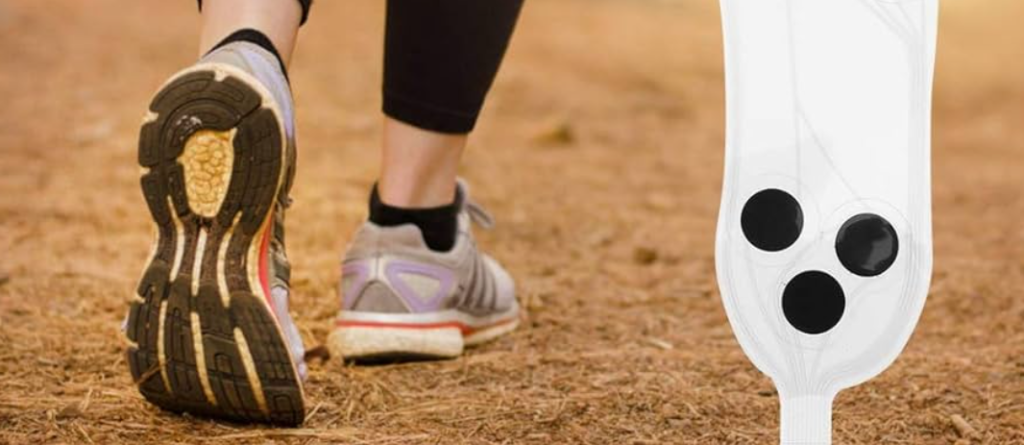
Data from these sensors can be reviewed to adjust technique or footwear. Smart insoles are useful for runners, basketball players, and athletes in sports requiring rapid movement. They provide insights that reduce strain on joints, improve stability, and enhance overall performance.
Features:
- Measures pressure and weight distribution
- Tracks gait and stride patterns
- Detects imbalance or irregular movement
- Connects to apps for analysis
Why is it helpful?
- Reduces the risk of foot and knee injuries
- Improves running or walking technique
- Supports better balance and stability
6. Concussion Detection Helmets
Concussion detection helmets are equipped with sensors that record impact force, angle, and location during play. They help identify potential head injuries immediately. Data from these helmets can alert coaches and medical staff to stop play and assess the athlete.

These helmets are commonly used in contact sports like football, hockey, and rugby. Continuous monitoring allows early intervention, preventing further brain injury. By analyzing repeated impacts, the technology supports safer training practices.
Concussion detection helmets protect athletes from long-term damage, ensure timely treatment, and improve safety during both practice and competitive games.
Features:
- Detects head impact force and location
- Records data for analysis
- Alerts coaches to potential concussions
- Lightweight and comfortable
Why is it helpful?
- Prevents serious brain injuries
- Allows quick response to head impacts
- Supports safer return-to-play decisions
7. Cryotherapy and Cold Therapy Devices
Cryotherapy and cold therapy devices help athletes recover after training by reducing inflammation and muscle soreness. They apply controlled cold to targeted areas to improve blood flow and accelerate healing. Using these devices regularly can prevent minor injuries from becoming serious.

They are portable and can be used at home, in gyms, or during training camps. Athletes in football, athletics, basketball, and similar sports use cryotherapy to maintain performance and reduce fatigue. By utilizing cold therapy in recovery routines, athletes can train more consistently while protecting muscles and joints from overuse injuries.
Features:
- Applies controlled cold therapy
- Reduces muscle inflammation
- Speeds up recovery
- Portable and easy to use
Why is it helpful?
- Prevents injuries caused by overuse
- Reduces muscle soreness
- Supports faster recovery and performance
8. Recovery and Muscle Stimulation Devices (EMS/TENS)
EMS (Electrical Muscle Stimulation) and TENS (Transcutaneous Electrical Nerve Stimulation) devices stimulate muscles and nerves to improve blood flow and relieve pain. Athletes use these devices during recovery to prevent cramps, reduce tension, and strengthen muscles.

EMS helps maintain muscle health, while TENS alleviates soreness from intense workouts. These devices are lightweight and wearable, making them suitable for home or gym use. Regular use reduces the risk of injury caused by muscle fatigue or strain.
Features:
- Stimulates muscles electrically
- Reduces pain and tension
- Improves blood circulation
- Lightweight and wearable
Why is it helpful?
- Prevents muscle fatigue and cramps
- Speeds up recovery
- Supports injury prevention during training
9. Motion Capture and Video Analysis Software
Motion capture and video analysis software record athletes’ movements for detailed review. The system identifies incorrect form, posture issues, or repetitive strain risks that may lead to injuries. Athletes can improve technique by analyzing their performance frame by frame.

Coaches use this data to design safer training programs and correct movement patterns. This technology is valuable in gymnastics, swimming, athletics, and sports requiring precise motions. By using motion analysis, athletes reduce the risk of joint, muscle, and tendon injuries.
Features:
- Records detailed movements
- Detects posture and form errors
- Provides frame-by-frame analysis
- Generates reports for improvement
Why is it helpful?
- Prevents injuries caused by poor technique
- Improves overall performance
- Supports personalized training adjustments
10. AI-Powered Injury Prediction Platforms
AI-powered injury prediction platforms use data from wearables, training history, and medical records to forecast potential injuries. These systems identify patterns that indicate overuse, fatigue, or high-risk movement. Coaches receive recommendations for rest days, training adjustments, or rehabilitation.
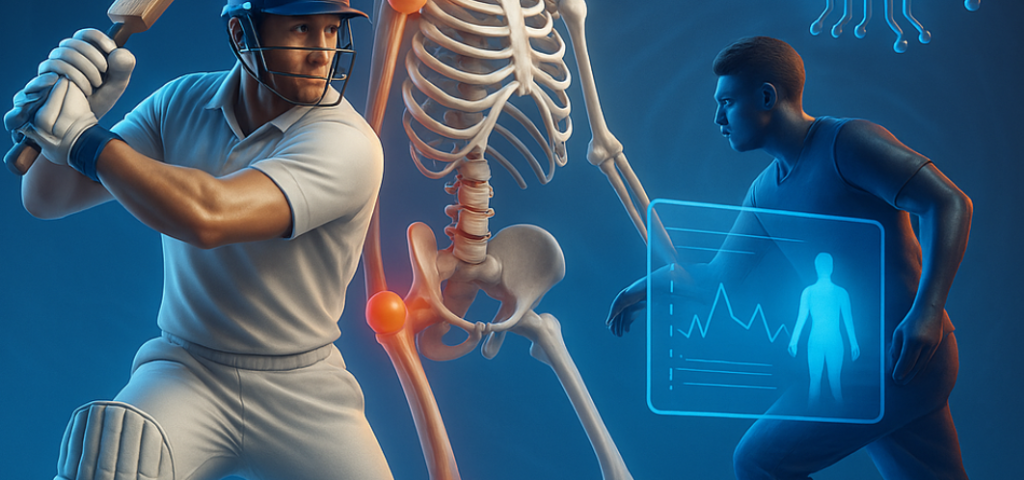
AI prediction allows a proactive approach, reducing the likelihood of serious injuries. Athletes can train more safely while maintaining peak performance. By integrating multiple data sources, these platforms provide personalized insights.
Features:
- Analyzes multiple data sources
- Predicts injury risks
- Provides personalized recommendations
- Updates predictions in real time
Why is it helpful?
- Reduces risk of overuse injuries
- Helps plan safer training schedules
- Supports early intervention to prevent serious injuries
Conclusion:
Injuries can massively affect an athlete’s performance and career, but modern technologies make prevention more effective than ever. Tools like wearable monitors, smart gear, and AI-powered platforms provide valuable insights into body performance, recovery, and risk factors.
Using these technologies allows athletes to train safely, improve technique, and recover faster. Adopting the right injury prevention tools ensures long-term health, consistent performance, and a safer sports experience for athletes at every level.
Frequently Asked Questions (FAQs):
Injury prevention technologies are tools and devices that help monitor an athlete’s body, detect risks early, and reduce the chances of injuries during training or competition.
Athletes at all levels, from beginners to professionals, as well as coaches and sports trainers, can use these technologies to improve safety and performance.
Yes. They track vital metrics like heart rate, fatigue, and muscle strain, allowing athletes to adjust training and recovery to lower injury risks.
The cost varies. Some wearable monitors and apps are affordable, while advanced AI or motion capture systems are more expensive, often used by professional teams.
No. They are designed to support professionals. Coaches and physiotherapists interpret the data and make training or recovery decisions based on it.
