

Finland leads the way in making sports venues smarter and more efficient. From Helsinki to smaller cities, stadiums now use advanced technology to improve fan experiences and building operations.
Finnish companies and research centers create solutions that handle harsh weather conditions while keeping costs reasonable. These technologies help stadium operators manage crowds better, save energy, and provide safer environments for everyone. This article will explore ten key technologies transforming Finnish sports facilities today.
Top Smart Stadium Technologies in Finland:
Finland is focusing on different types of technologies to use in stadiums. The details of the top ones are discussed below:
1. Advanced Access Control (Abloy Oy)
Advanced access control uses mobile devices or wristbands to allow entry into stadiums. It manages staff and visitor access while maintaining security in different zones. The system can link to schedules, ensuring only authorized personnel enter restricted areas.

It logs entries and exits for real-time monitoring. Fans with digital ticket passes go through quickly, reducing lines and improving efficiency. The system also integrates with emergency procedures, allowing operators to control access in urgent situations. Overall, it simplifies management, increases safety, and creates a smooth experience for both staff and visitors.
How it improves access and security
- Reduces queues at entrances
- Controls who can enter restricted areas
- Tracks entries and exits in real time
- Integrates with emergency procedures
- Easy for staff to manage
2. LED Signage Solutions (LG)
Stadiums in Finland use large LED walls and Transparent OLED displays by LG to show live event information, scores, and announcements. These screens help spectators see details clearly from any location in the arena.

Digital signage can be updated quickly to display schedules, advertisements, or safety messages. The displays are visible in all lighting conditions and improve communication with visitors. They also contribute to a more engaging atmosphere by showing live action, instant replays, and graphics. Organizers can manage content efficiently, ensuring important information reaches the audience at the right time.
Benefits for spectators and organizers
- Displays scores and announcements clearly
- Works in all lighting conditions
- Shows advertisements or safety messages
- Can be updated instantly
- Improves overall visitor experience
3. 5G Connectivity
High-speed 5G networks in stadiums provide fast internet for fans and staff. Visitors can stream videos, share content on social media, or access event apps without interruptions. The network also supports stadium operations, such as live monitoring of cameras, ticket scanning, and staff communication.
Multiple devices can connect simultaneously without slowing performance. It allows data from sensors and other systems to be transmitted in real time, helping management make better decisions. With reliable connectivity, fans enjoy a smoother experience, and staff can operate more efficiently while maintaining safety and security throughout the venue.
Why fast connectivity matters
- Supports live streaming and mobile apps
- Allows staff to communicate instantly
- Connects multiple devices efficiently
- Improves real-time monitoring and data collection
- Reduces network delays for visitors
4. Axess Smart Gates
Axess Smart Gates are used for fast and secure entry and exit at stadiums. They read digital tickets and allow fans to enter quickly. The gates are connected to emergency systems to ensure safe evacuation if needed.
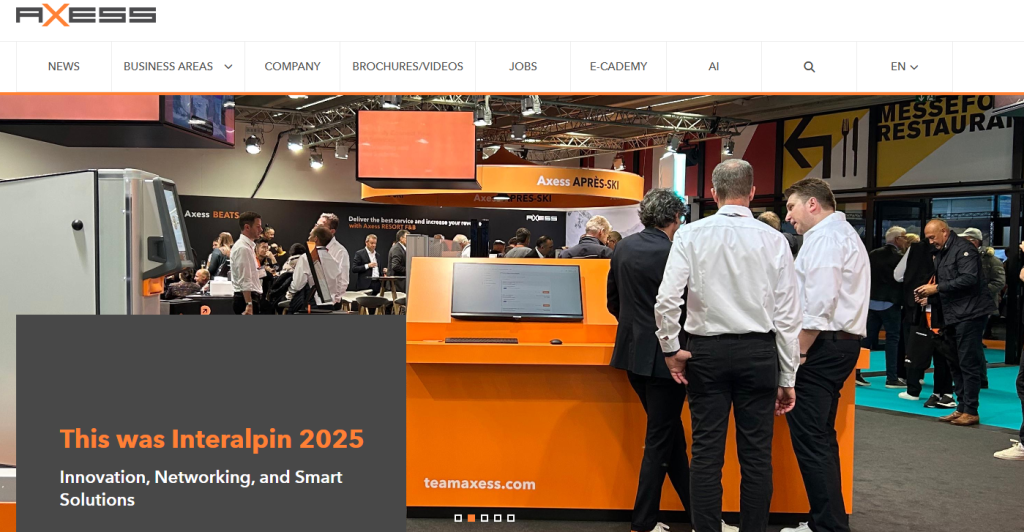
They can track visitor flow in real time, giving operators useful data for managing crowds. The system reduces waiting times, improves operational efficiency, and helps maintain order during large events. Staff can operate gates easily, and the integration with digital tickets ensures that visitors experience minimal friction when entering or leaving the stadium.
Advantages of crowd control
- Speeds up entry and exit
- Integrates with emergency response systems
- Monitors visitor flow in real time
- Easy to operate for staff
- Works with digital and mobile tickets
5. Digital Ticketing and Touchless Access

Digital ticketing allows fans to use tickets on mobile phones or smart devices. Tickets can also function as keys for hotel rooms or passes for public transport. Touchless access reduces the need for physical tickets and speeds up entry.
The system can track attendance automatically and provide useful data for organizers. Visitors experience less waiting and a smoother process from arrival to seating. The touchless system also improves hygiene and minimizes contact, which is important for public health.
How it helps visitors
- Makes entry faster and simpler
- Reduces use of paper tickets
- Can be linked to other services
- Tracks attendance automatically
- Minimizes physical contact
6. Enhanced LED and Audio Systems (Helsinki Olympic Stadium)
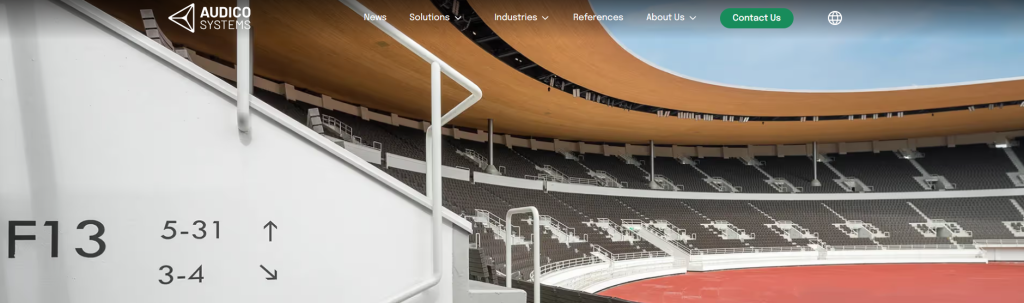
Helsinki Olympic Stadium upgraded its LED screens and audio system to improve fan experiences. Large displays show scores, live action, and announcements clearly throughout the venue.
The sound system ensures announcements and music are audible without distortion. These upgrades help spectators follow events easily and enjoy clear audio for ceremonies and entertainment. The stadium also improved its underground and indoor training areas, which can be used year-round. The technology makes the venue more versatile and easier to manage. Fans and staff benefit from better visibility, clear sound, and improved operational efficiency.
Advantages for the fan experience
- Shows information clearly to all spectators
- Provides high-quality sound
- Improves indoor training facilities
- Supports multiple events efficiently
- Enhances overall stadium experience
7. High-Quality Jumbotron and Sound System (Enersense Areena)

Enersense Areena in Pori features a center-hung jumbotron with a high-definition display and an advanced sound system. The jumbotron shows live action, replays, and announcements to enhance viewing for all spectators.
The audio system delivers clear sound across the entire arena. Fans can follow events easily, and the quality of the experience is greatly improved. The system also supports advertisements and event information, making the venue modern, enjoyable, and efficient to manage for staff while keeping visitors informed and engaged.
Benefits for spectators
- Provides clear visuals of the event
- Ensures high-quality sound throughout the arena
- Displays replays and announcements
- Supports advertising and information updates
- Improves overall fan enjoyment
8. Smart Infrastructure Integration (Hietalahti Stadium)
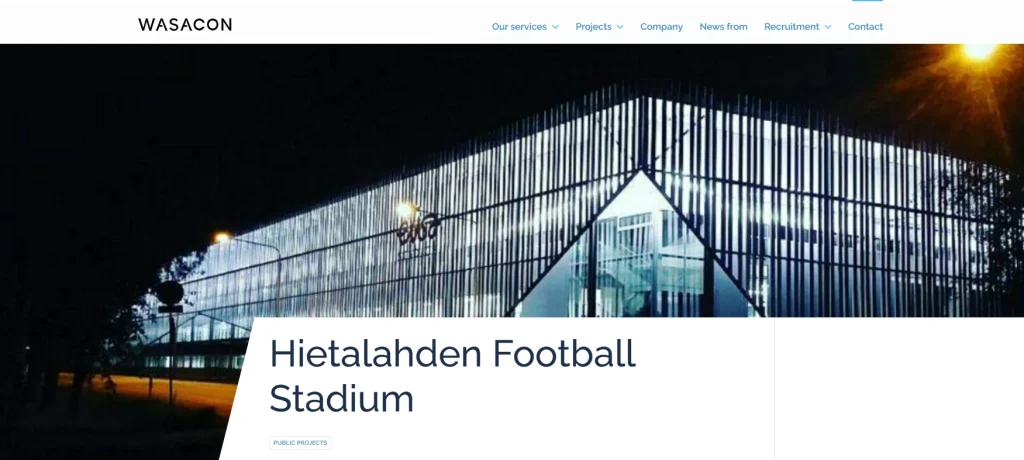
Hietalahti Stadium in Vaasa uses integrated lighting, heating, and ventilation systems that can be controlled from one platform. The system monitors energy use and adjusts settings automatically to save electricity. It also improves comfort for fans and players by maintaining the right temperature and lighting levels.
Centralized control allows operators to respond quickly to issues and optimize conditions for each event. Energy efficiency is improved, and maintenance is easier to schedule.
How it improves operations
- Monitors energy usage in real time
- Adjusts lighting and temperature automatically
- Enhances comfort for visitors and players
- Simplifies maintenance and operations
- Supports sustainable practices
9. Intelligent Wireless Technologies (SMARAD, Aalto University)

SMARAD at Aalto University develops intelligent wireless systems for stadiums. These include multi-antenna setups and radios that support multiple standards. The technology improves wireless connectivity for fans and staff.
It also enables real-time data transmission for management systems. These systems allow stadiums to handle high device density and provide reliable connections for apps, cameras, and monitoring equipment.
Fans can access apps and information without interruption, and staff can operate systems efficiently. Intelligent wireless technologies support communication, monitoring, and operational control in modern stadiums.
Why wireless systems are useful
- Provides reliable connectivity for multiple devices
- Supports data transmission for management tools
- Improves fan access to apps and services
- Enhances communication for staff
- Reduces network congestion
10. Smart Sensors (VTT Technical Research Centre)
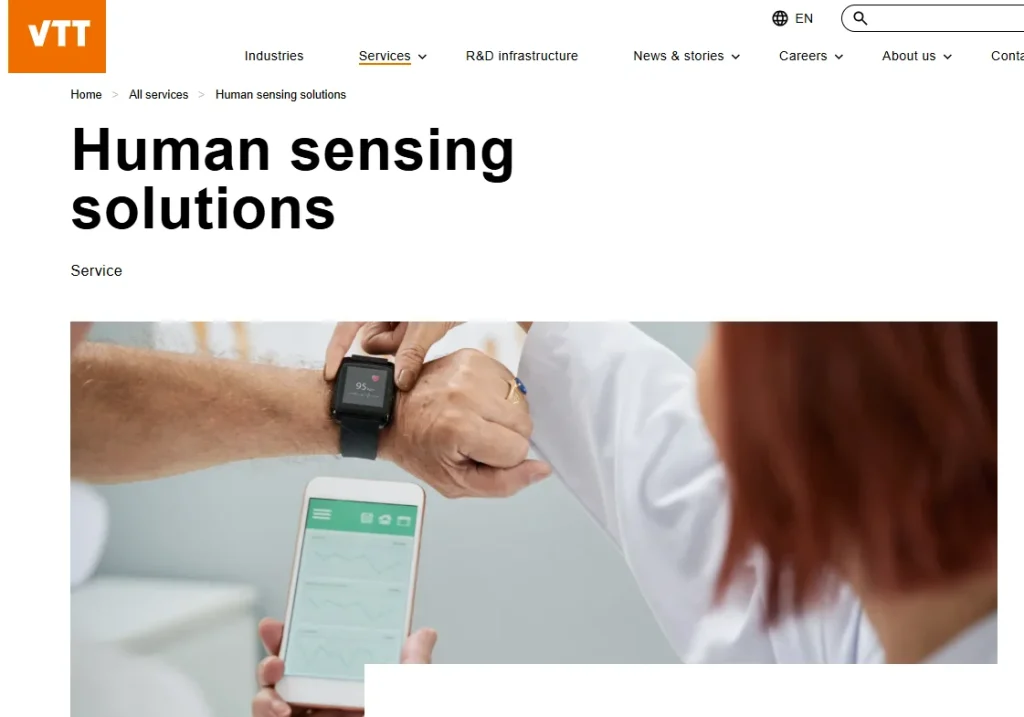
VTT develops smart sensors used in stadiums to monitor environmental conditions and crowd density. Sensors can detect changes in temperature, air quality, and occupancy. This information helps staff manage safety, comfort, and energy use.
Sensors also allow real-time monitoring for emergencies or unusual conditions. Visitors benefit from a safer and more comfortable environment. Operators can plan maintenance and manage resources more efficiently.
Benefits for safety and comfort
- Monitors air quality and temperature
- Tracks crowd density for safety
- Supports energy efficiency
- Helps manage emergencies
- Improves comfort for visitors
Conclusion:
Finland’s stadiums demonstrate how technology can enhance both fan experiences and venue operations. Systems such as digital ticketing, smart gates, advanced displays, and environmental sensors make events more efficient, safe, and enjoyable.
Operators can monitor facilities, manage crowds, and optimize energy use, while visitors benefit from convenience, comfort, and smoother access. The ongoing development and adoption of smart stadium solutions in Finland provide a practical model for other countries seeking to modernize sports venues with reliable and effective technology.
Frequently Asked Questions (FAQs):
What is a smart stadium?
A smart stadium uses technology to improve operations, fan experiences, and safety. It includes systems like digital ticketing, displays, connectivity, and sensors.
How does digital ticketing work in Finnish stadiums?
Tickets are stored on mobile devices and scanned for entry. This speeds up access, reduces paper use, and tracks attendance automatically.
Why is 5G connectivity important in stadiums?
5G provides fast internet for fans and staff. It supports streaming, apps, and real-time operations without slowing down.
What are smart gates, and how do they help?
Smart gates read digital tickets to manage entry and exit efficiently. They track visitor flow and improve crowd management.
How do smart sensors improve stadium safety and comfort?
Sensors monitor temperature, air quality, and crowd density. They help staff maintain safety and a comfortable environment.
